
Tracing the historical evolution of gambling From ancient rites to modern casinos
The Origins of Gambling
The roots of gambling can be traced back thousands of years, with evidence suggesting that ancient civilizations engaged in games of chance as part of their cultural practices. Archaeological findings reveal that dice, made from bone or wood, were used in Mesopotamia around 3000 BC. These early forms of gambling served not only as entertainment but also as a means of divination, where outcomes were believed to reflect the will of the gods. You can explore this fascinating history at https://www.aviator-slot.ca/.
In ancient China, gambling took on various forms, including games resembling modern-day lotteries. During the Han Dynasty, records indicate that a game involving the drawing of lots was popular, potentially funding large public projects. Such activities highlight how gambling was interwoven with societal functions, illustrating its significance in the human experience throughout history.
The Role of Luck and Skill in Early Gambling
In early gambling practices, the balance between luck and skill was often ambiguous. Games that relied solely on chance, such as dice games, were prevalent, whereas others required strategic thinking, like the ancient Chinese game of Jianzi. This duality reflected broader beliefs about fate and individual agency, where some cultures embraced luck as a divine attribute, while others sought to cultivate skill to enhance their chances of winning. Today, the casino aviator game exemplifies how players navigate this delicate interplay.
This interplay continues to influence modern gambling, where players often debate the importance of luck versus skill in games like poker or blackjack. The belief that skill can triumph over random chance persists, with many players employing strategies to maximize their success in games where skill plays a critical role.
The Transition to Formalized Gambling
As societies evolved, so did the concept of gambling. The Middle Ages saw the establishment of more structured forms of gambling, including the rise of betting on sports and organized games. In Europe, gambling houses emerged, offering a variety of games that formalized the betting process. This shift marked a transition from informal, local practices to regulated environments where players could gamble legally.
The emergence of government-sanctioned lotteries in the 15th century, particularly in England and France, further exemplified this trend. These lotteries not only provided entertainment but also contributed to public funds, showcasing how gambling began to intertwine with societal governance and economic development.
The Rise of Modern Casinos
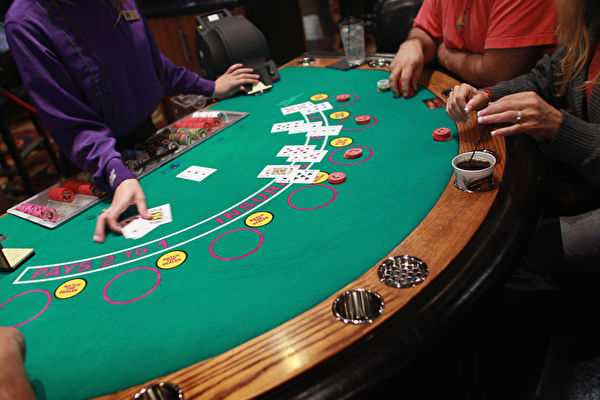
The 20th century heralded a new era in gambling with the establishment of casinos, transforming the landscape of the gaming industry. Las Vegas emerged as a hub for gambling in the United States, offering extravagant experiences that attracted millions. The design and ambiance of modern casinos were tailored to create an immersive environment, blending entertainment with the thrill of gaming.
Technological advancements have played a significant role in this evolution, with online casinos gaining popularity in the 21st century. The rise of internet gambling has democratized access, allowing players to engage in their favorite games from the comfort of their homes. This shift has sparked discussions around regulation, ethics, and the future of gambling in a digital age.

A New Era of Online Gaming and Community
Today, platforms like Aviator Slot Canada represent the next step in the evolution of gambling. These online casinos provide players with diverse options, ranging from classic games to innovative formats like the Aviator game. The ability to play for real money or in free demo modes caters to different preferences, making gambling accessible to a broader audience.
Furthermore, online gambling fosters a sense of community through interactive experiences and social features. Players can connect with others, sharing strategies and experiences, enhancing the social aspect of gaming. As technology continues to evolve, the future of gambling appears poised to blend tradition with innovation, ensuring its relevance in contemporary culture.
